
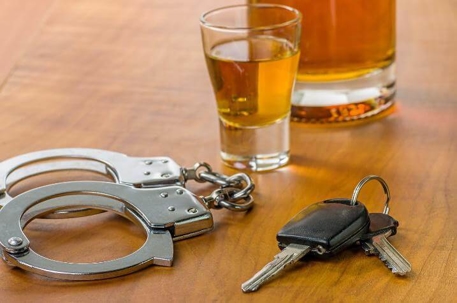
Being arrested for DUI in Tennessee is overwhelming, embarrassing, and confusing — especially if it’s your first time dealing with the criminal justice system. You may have already been released on bond, handed a stack of paperwork, and told to appear in court in a few days or weeks. But what happens now? What are your rights? What penalties are you facing? And what steps can you take immediately to protect your driving privileges and your future?
This guide walks you through exactly what happens after a DUI arrest in Tennessee, based on Tennessee statutes, real courtroom procedure, and the specific ways DUI cases are handled in Montgomery County and surrounding areas.
1. The DUI Arrest: What Officers Look For
Most DUI arrests begin with one of three scenarios:
1. A routine traffic stop
Examples: speeding, swerving, no headlights, running a stop sign.
2. A checkpoint
Tennessee law allows sobriety checkpoints if they follow specific constitutional procedures.
3. A crash
Even minor accidents can trigger an investigation if the officer suspects impairment.
Once the officer begins evaluating you, they’re observing:
- Speech
- Balance
- Smell of alcohol
- Red or watery eyes
- Reaction time
- Ability to follow instructions
You may be asked to perform field sobriety tests (FSTs) such as:
- Horizontal Gaze Nystagmus
- Walk-and-Turn
- One-Leg Stand
These tests are often administered incorrectly, and their reliability can be challenged later.
2. Implied Consent & Breath/Blood Testing
Tennessee is an implied consent state, meaning drivers are presumed to have agreed to chemical testing if lawfully arrested for DUI.
You may be asked to:
- Blow into a breathalyzer
- Provide a blood sample
If you refuse testing,
you may face:
- A one-year license suspension for a first refusal
- Longer suspensions for prior offenses
- Additional consequences if someone was injured
A refusal does not automatically mean you’re guilty — but it creates separate legal issues your attorney must address.
3. Booking, Bond, and Release
After arrest, you will be taken to jail for:
- Processing
- Fingerprinting
- Photographs
- Bond determination
Depending on the case, bond may be:
- A secured bond (you pay a bondsman or deposit the bond)
- A release on recognizance (ROR)
- A cash bond
- A supervised release (especially if a crash or injury occurred)
Bond conditions can include:
- No drinking
- No driving
- Ignition interlock
- Alcohol monitoring (SCRAM device)
- Random drug or alcohol screens
Your bond paperwork will include your first court date — usually within a few weeks.
4. The Immediate Driver’s License Consequences
A DUI arrest and a DUI conviction are two different things, but your driving privileges can be affected in both situations.
License consequences after arrest may include:
- A separate implied consent suspension
- Possible ignition interlock requirements
- Restricted license eligibility
The administrative side of a DUI case is completely independent of the criminal case. This is why talking to a lawyer immediately after your arrest is essential — waiting too long can limit your options.
5. The First Court Date: What to Expect
Your first appearance, known as an arraignment, is not a trial. It is simply:
- Your formal introduction to the court process
- The reading of charges
- Confirmation of your attorney
- Notification of rights
If you don’t have a lawyer by this date, the judge will expect you to either hire one or request a public defender. No evidence is presented at arraignment, and you do not need to discuss details of your case in open court. When you hire Goble & Yow, your attorney will appear at your arraignment in your place.
6. The Evidence Phase: Discovery
Although there is no Discovery right in General Sessions, if the case makes it to Circuit Court you will be entitled to Discovery. Often, prior to the preliminary hearing, the prosecutor may share in advance the following:
- Police reports
- Officer narratives
- Body camera footage
- Dash camera footage
- Breathalyzer maintenance records
- Blood test results
- Witness statements
- Audio from dispatch/911
This is where many DUI cases turn in your favor.
For example:
- Did the officer follow proper testing procedures?
- Did the officer have a valid reason to stop you?
- Is the video inconsistent with the officer’s written report?
- Was the breathalyzer properly calibrated?
- Was the blood draw conducted according to Tennessee law?
The strength of the evidence determines the next steps.
7. Building the Defense
A skilled DUI defense involves a detailed review of:
1. The stop
Officers must have reasonable suspicion. If they didn’t, the case may be dismissed.
2. Field sobriety tests
Improper instructions, uneven surfaces, medical conditions, and fatigue can produce false failures.
3. Breath tests
Breath machines must be properly maintained. Records often show errors.
4. Blood tests
Chain-of-custody issues, lab mistakes, contamination, and timing gaps can make results inadmissible.
5. Statements
Miranda issues, officer questioning tactics, and conflicting testimony can all affect the case.
No two DUI cases are the same. In many cases, the strongest defense isn’t obvious until your attorney fully reviews the evidence.
8. Possible Outcomes in a Tennessee DUI Case
Depending on the facts, outcomes may include:
1. Dismissal
If the stop or testing was improper, the case may be thrown out.
2. Reduction to Reckless Driving or Reckless Endangerment
A common resolution with significant benefits, including:
- No mandatory jail time
- Lower fines
- Avoiding a DUI conviction on your record
3. Judicial Diversion
Although not available for a DUI plea, an amended charge in settlement resolution may make this available for some first-time offenders, allowing your record to be cleared after successful completion of the terms and conditions of probation.
4. Plea Agreement
Negotiated based on evidence strength and your prior record.
5. Trial
If the case cannot be resolved, you have the right to trial by judge or jury.
9. Consequences of a DUI Conviction
Penalties for a first DUI include:
- 48 hours to serve, minimum, up to 11 months, 29 days
- 1-year license revocation
- Fines
- Ignition interlock
- Alcohol safety school
- Probation
Penalties escalate for subsequent DUIs, high BAC levels, accidents, or injuries.
10. Why a DUI Attorney Matters — Immediately
The hours and days following an arrest are critical. The attorneys at Goble & Yow may be able to:
- Protect your license
- Challenge bond conditions
- Preserve evidence
- Obtain video footage before it’s overwritten
- Identify constitutional violations
- Negotiate early resolutions
- Prepare you for every step ahead
Without representation, you risk missing opportunities that could dramatically improve your outcome.
Final Thoughts
A DUI arrest is frightening, but it is not the same as a conviction. Tennessee DUI law is complex, and the evidence against you may not be as strong as it looks.
An experienced DUI defense attorney can help you:
- Understand the charges
- Protect your rights
- Evaluate the evidence
- Build the best defense
- Seek dismissal, reduction, or a favorable resolution
If you or a loved one is facing a DUI charge in Montgomery County or surrounding areas, the smartest move you can make is to get experienced legal help immediately!